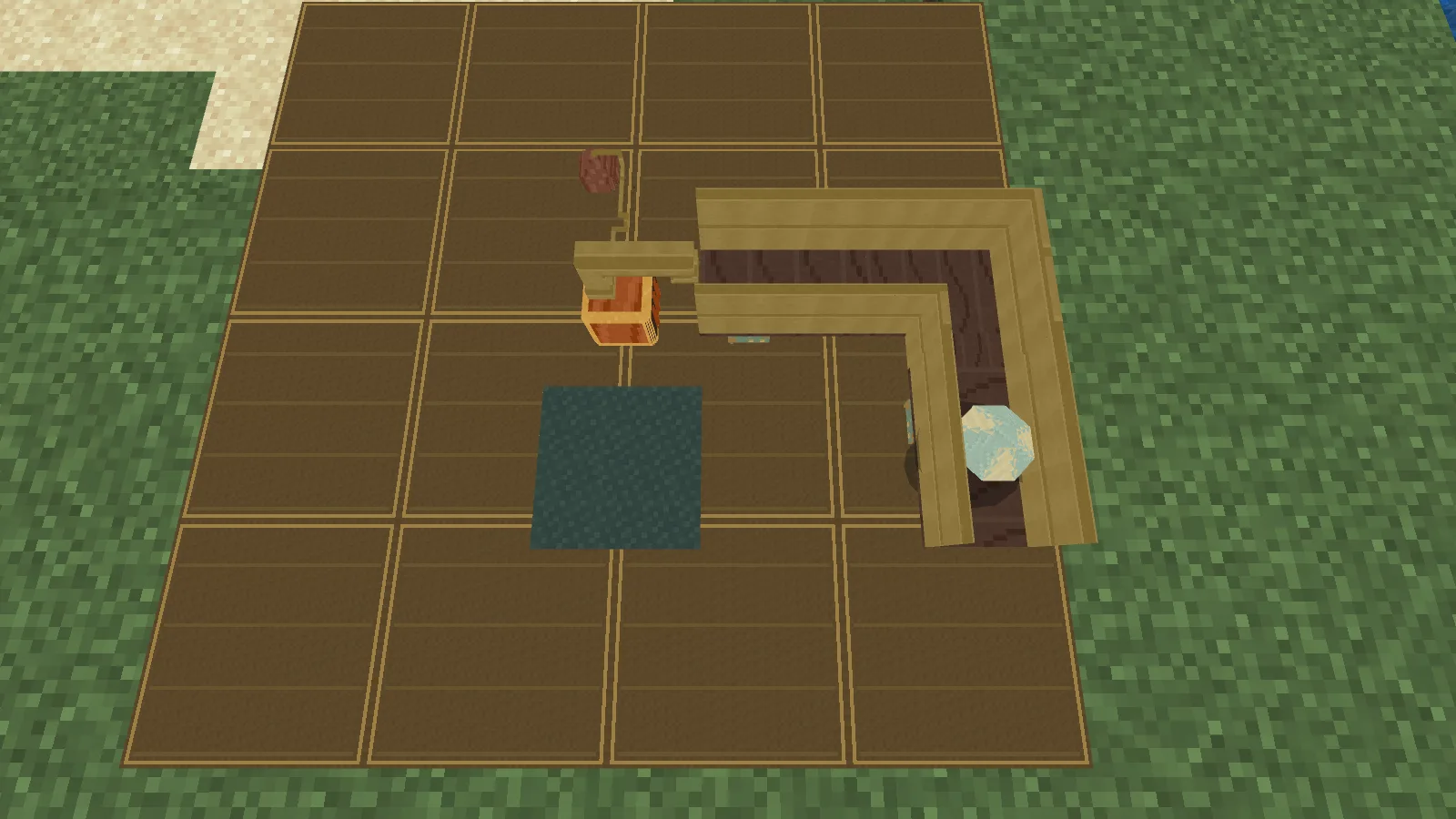
A pumpkin chamber, a reed neck and a soft diaphragm make an unlikely little machine. Hollowreed Workshop gives you a tabletop for shaping that machine, sending a breath through it and following what happens. A leaf opens, a fork shares the flow, and a small creature called Reedveil finally reaches the other end of your route.
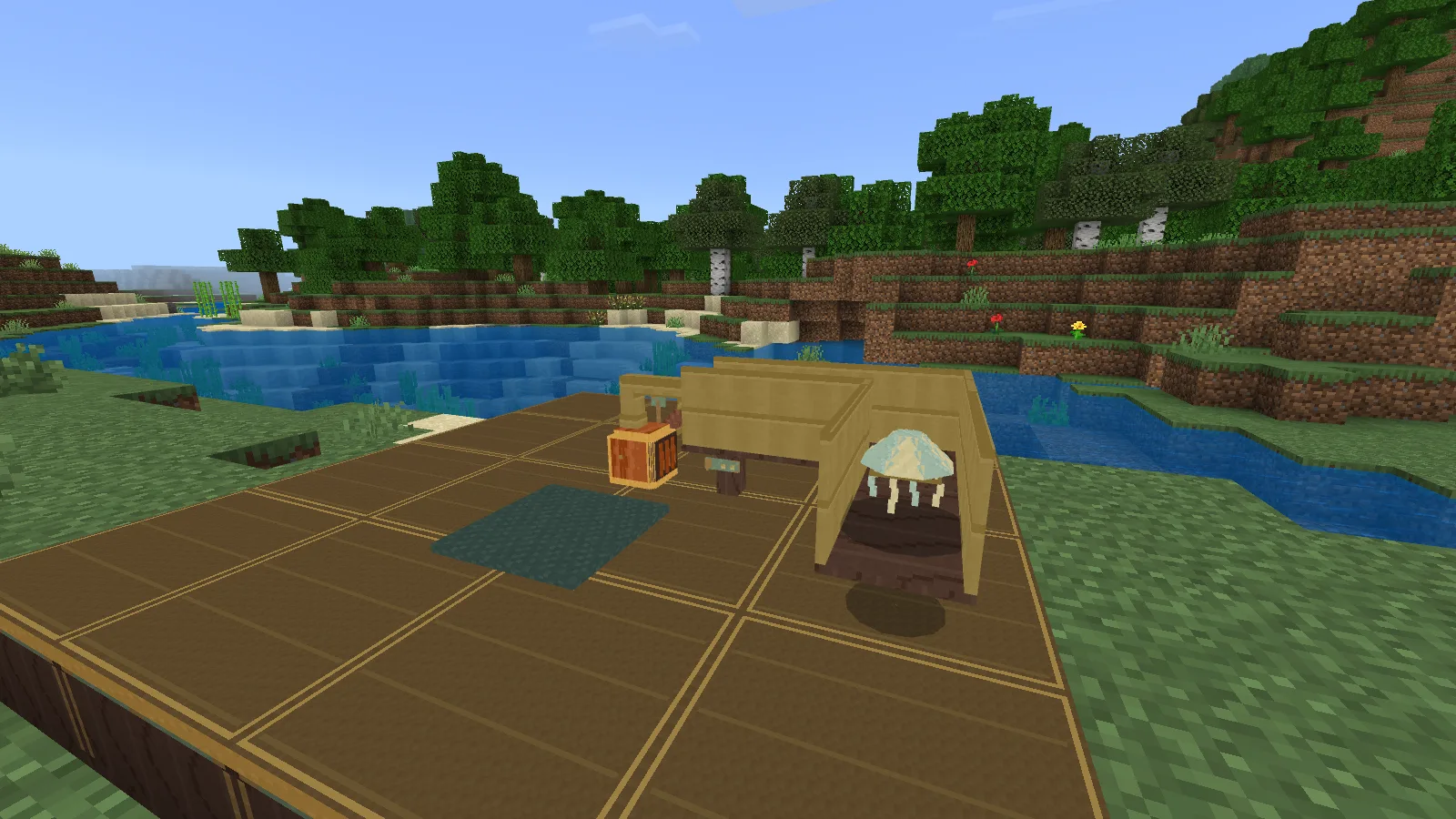
Leave room around the tabletop to inspect the chamber and walk along your route.
Make room for a small invention
Start with the Hollowreed Workshop Kit. Its recipe uses sugar cane, pumpkin, oak planks, a crafting table, leather, copper and paper. The image shows the filled crafting grid and the finished kit.
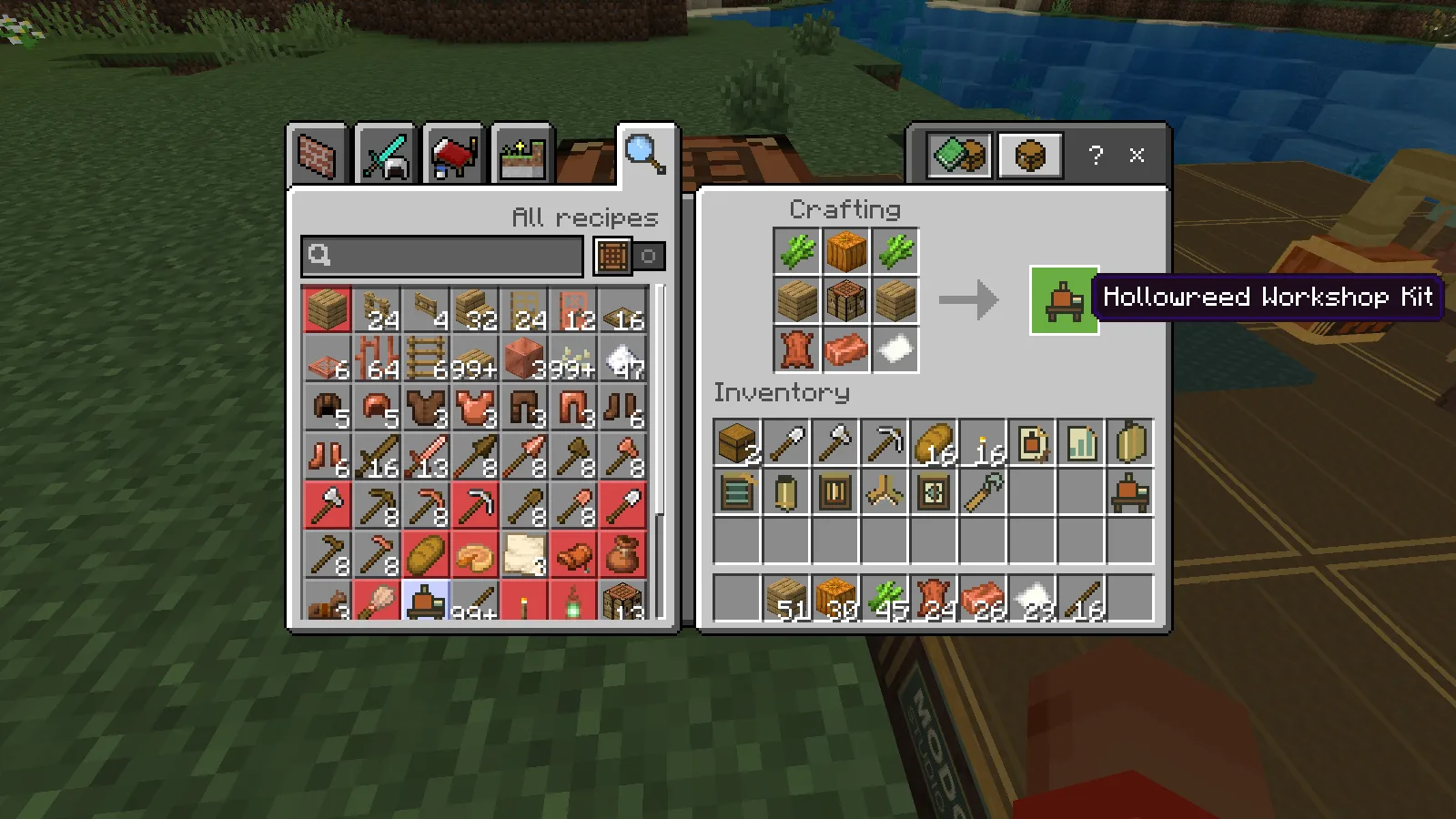
Craft the kit first. Building the tabletop then costs eight oak planks and two copper ingots.
Find a level four-by-four patch of solid ground with two clear blocks above it. Use the kit to mark the space, step outside the marked area and use it again to build. The tabletop costs eight oak planks and two copper ingots, separately from the kit. Leave room around its edges so you can look inside the chamber and follow the passages.
Bring plain materials and spare inventory slots. The workshop shows the cost before making each piece: pumpkins supply the hollow bodies, reeds become necks and passages, and leather goes into flexible parts.
Your first breath
Make a Pip Chamber, Short Reed Neck, Soft Diaphragm, Turning Horn and Hand Bulb. Open the inspection cover to fit the interior pieces, then add the horn and bulb. Put a Pollen Shutter at the horn's outlet and choose its Middle response.
Close the cover, propose a squeeze and agree to the action. The menu closes so you can watch. Once the air settles, check A First Breath. If the leaf stayed closed, look at its inlet, selected response and required amount before trying again.
Lift the cover to see the fitted divider and the space feeding the neck.
The Pip, Round and Deep Chamber give you different hollow interiors. A larger active cavity lowers the response, as does a longer neck. Fit a Reed Divider to partition the chamber and raise it again. Open the cover whenever you want to inspect what you changed.
Low, Middle and High are workshop response bands. You can solve the experiments by watching the parts and reading their response; there is no tune to recognize.
Change the shape, then try again
Use a Vent Carver to cut either of a chamber's two openings. An open vent raises its response; a Reed Plug closes that cut when you want to change it back. Returning the chamber keeps its carved openings. Stop moving air and vent any stored reserve before rearranging the instrument.
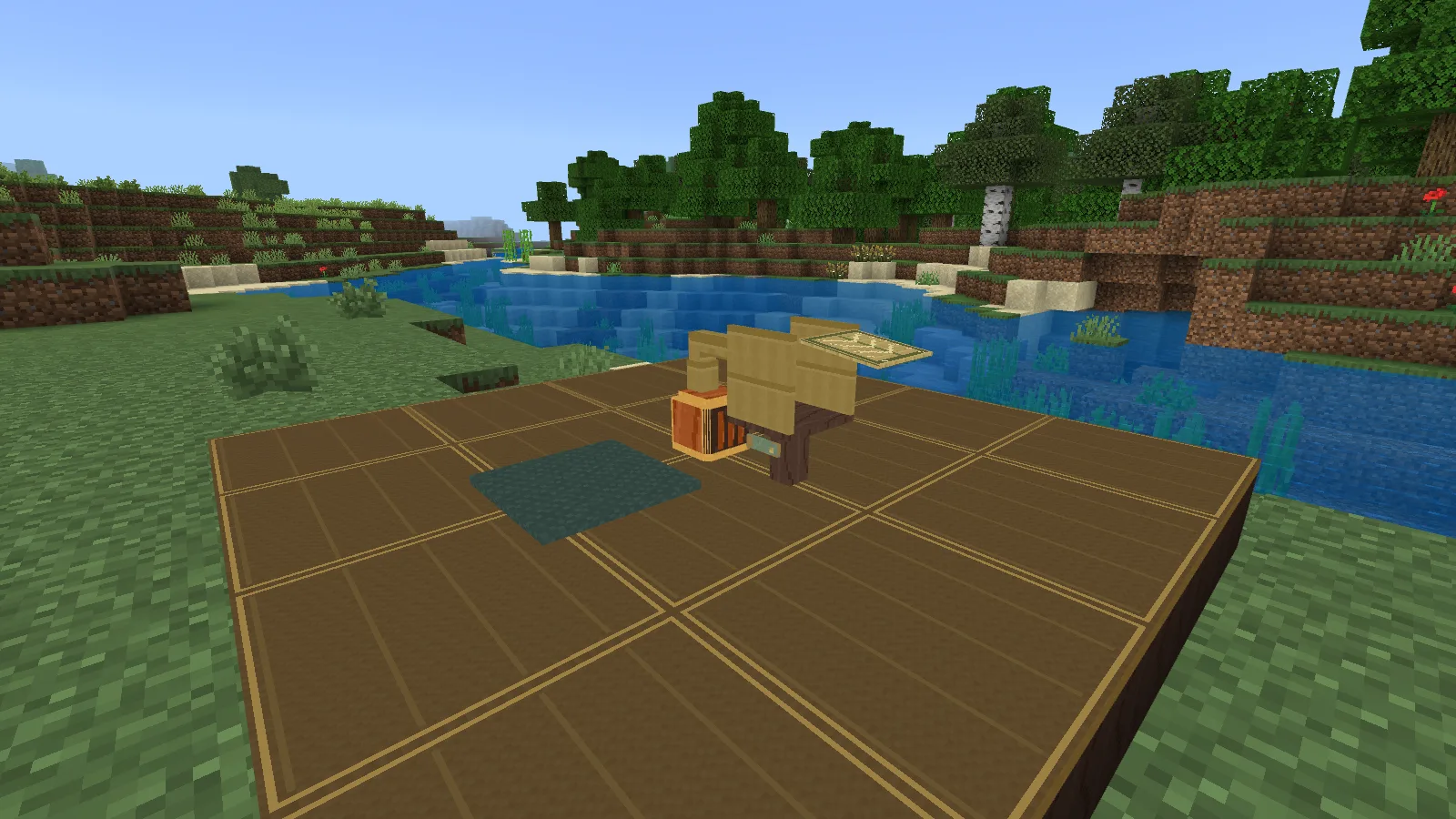
A longer neck produces the Low response needed for this leaf.
The Hand Bulb gives you one finite pulse. Worked Bellows store four units after each completed stroke, ready for a separate release. More air can help a long route, but it cannot make a Low response satisfy a shutter waiting for Middle.
A Pressure Paddle offers Gentle, Steady, Firm and Too hard. Pressure changes how much useful air you get. Pushing Too hard wastes more through venting, so it can do less useful work than Firm. Your parts remain intact: adjust and try again.
Give the breath a route
Join Straight Passages and Reed Bends through their open ends. Turn the horn to choose the starting direction and turn each passage toward its neighbour. The pale path preview helps you spot a missing connection; you still need to supply the air yourself.
A Forked Mouth divides the breath between two exits. Two Listening Leaves asks you to open a Pollen Shutter and a Ringing Shutter from that same fork. Both branches need enough air, and the pollen leaf also needs its selected band.
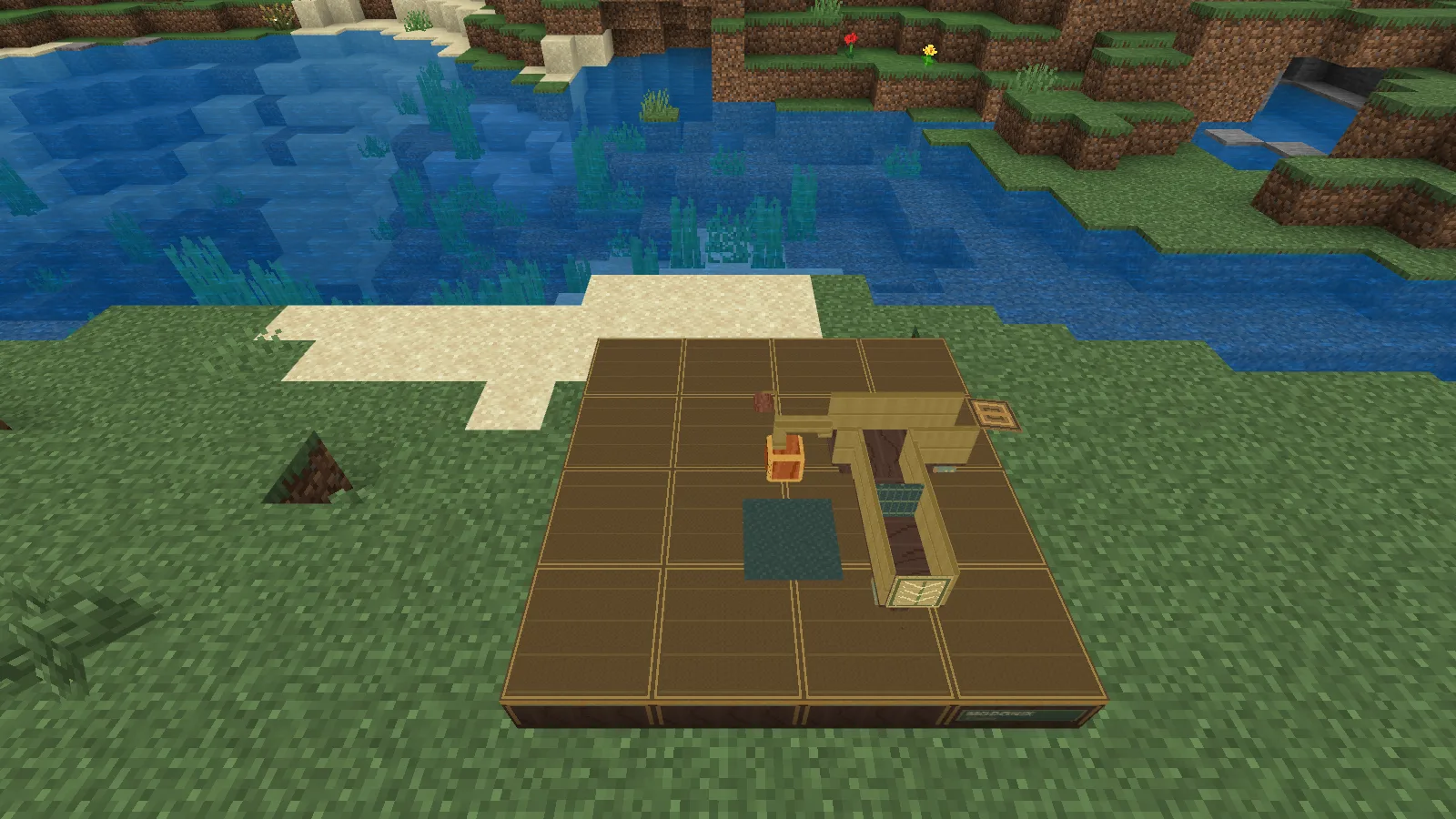
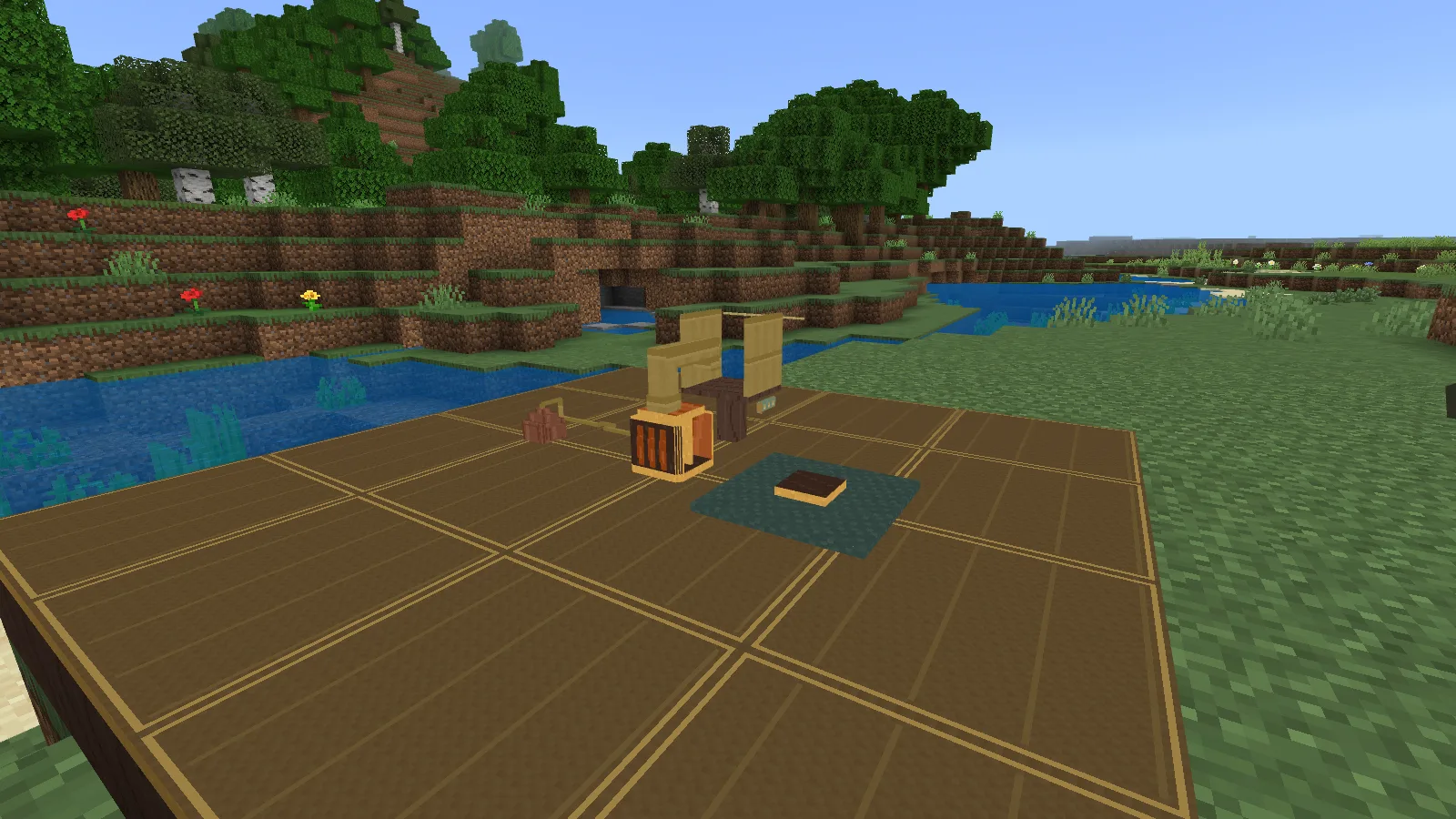
The damper protects one branch while the other leaf opens.
The Quiet Neighbor reverses part of that challenge: open one leaf while keeping the other closed. Put a Felt Damper on the protected branch and adjust its absorption. Network check helps with unjoined or reversed outlets. Air accounting tells you where the breath was delivered, absorbed, leaked or vented, giving you something specific to change next.
Make a crossing for Reedveil
Set Reedveil, a small folded creature with trailing ribbons, in its cradle. Build a joined route to a second Reedveil Cradle and send a matching pulse through it. Reedveil Crossing asks you to carry the original creature across at least two passage segments. The short gameplay clip shows a squeeze and the crossing it causes.
Agree to the squeeze, then watch Reedveil follow the breath around the bend.
The reusable Response Card offers six experiments, including The Low Room and A Brighter Chamber. After checking a successful arrangement, spend one paper to write a Checked Form. It remembers that workshop's original pieces and arrangement. Bring those same pieces back, review the form and restore it; carved vents stay with their chambers. You must still work fresh air to earn the response again.
When you finish, stop the flow and choose Pack the tabletop. Your fitted originals return along with the timber and copper paid for the tabletop. Materials already made into pieces, and paper already written on, stay spent. Keep the carved chamber and the forms for your next experiment.
Play or make it your own
Download the add-on from Files. This release was played on Minecraft Bedrock 26.52 for Windows. Touch controls and the optional two-maker invitation have not yet been checked with two real players.
Want to change the workshop? Open Modonix Development Studio and import the editable Hollowreed project. Created by Modonix Studio.
Comments & questions
Share what worked, ask for help or reply to another player.
No comments yet. Share what worked for you.